


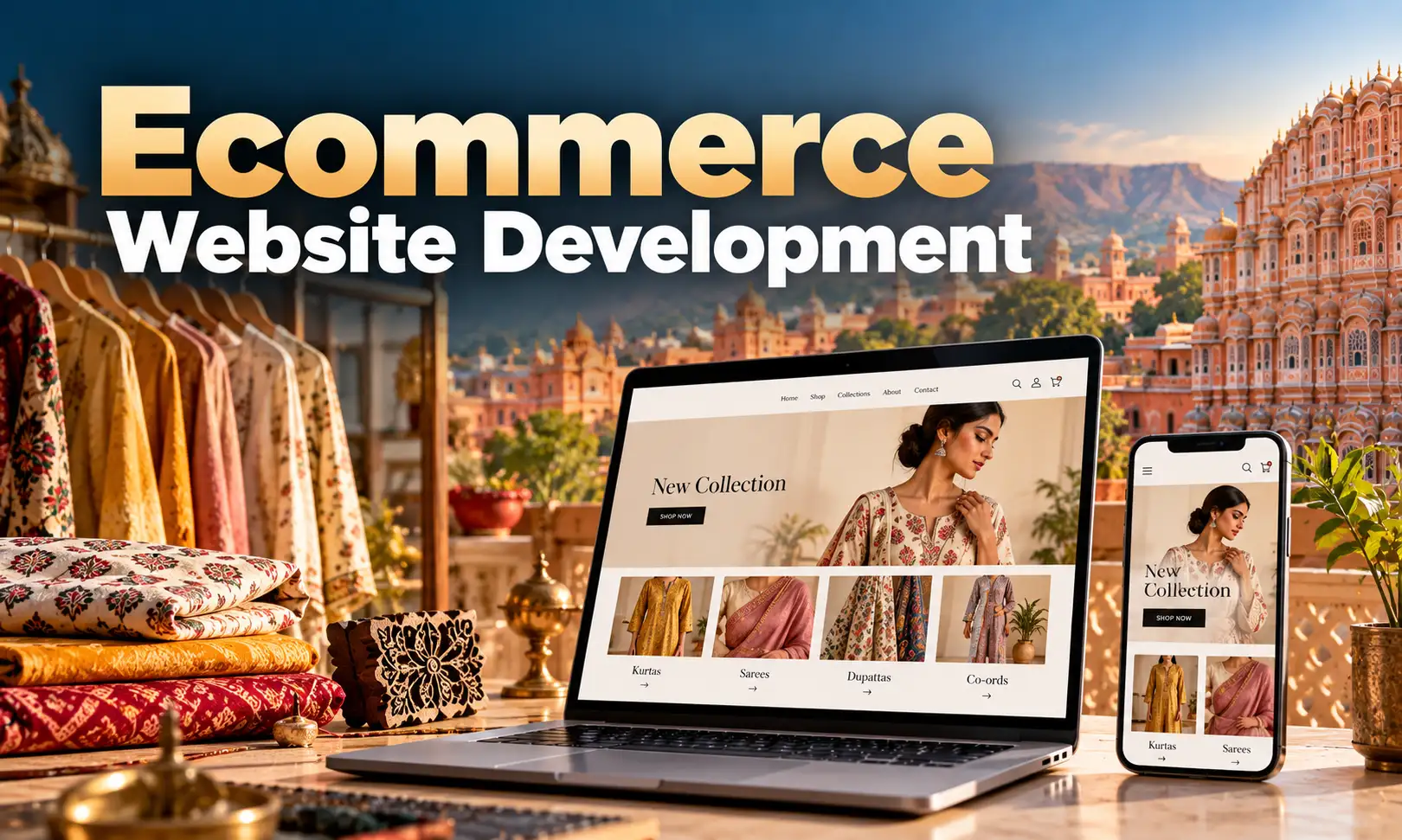
Ecommerce Website Development for Fashion Brands in Jaipur: Turning Craft into Conversions
Jaipur’s fashion labels have something most brands can only dream of: a real story. Block prints, bandhani, hand embroidery and generations of craft give every piece a reason to exist.
But a great story can’t sell on a slow, messy website. Shoppers judge a store within seconds. If pages lag or checkout feels confusing, they leave, no matter how beautiful the kurta is.
That’s why ecommerce website development for fashion brands in Jaipur needs to do two jobs at once. It has to honour the craft behind the product, and it has to make buying that product quick, simple and trustworthy.
At Digihoper, we build online stores that do both. Here’s what Jaipur’s fashion founders should know before they build or rebuild.
Jaipur’s Fashion Boom Is Outgrowing Basic Websites
Jaipur is now a serious home for fashion and apparel brands. Some focus on traditional textiles. Others blend Rajasthani craft with modern cuts and global styling.
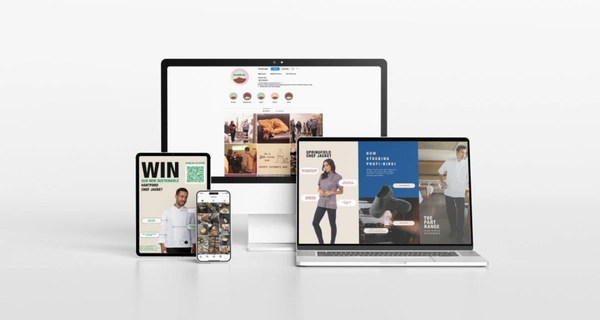
Many of these labels began on Instagram. They grew through reels, DMs and word of mouth. Orders came in through WhatsApp chats and screenshots of payment confirmations.
That works for a while. Then demand grows.
Customers start asking for a proper place to shop. They want to browse collections, pick sizes and pay without messaging back and forth. The quick, low-budget website built in the early days suddenly can’t handle real order volume.
This is the moment where many brands either scale up or stall. A slow or clunky store quietly leaks sales at the exact time momentum is highest. A proper ecommerce build stops being a “nice to have” and becomes the engine of growth.

Why Shopify Is a Smart Choice (When It’s Set Up Right)
For most fashion brands in India, Shopify is a strong starting point. It handles payments, inventory and mobile responsiveness reliably. Founders don’t need to manage servers or complex backend systems.
It also offers enough flexibility to reflect a unique brand identity. You can shape the look, feel and flow of the store around your collections.
But here’s the catch: Shopify alone doesn’t guarantee a good store.
A poorly configured Shopify site can be just as slow as a badly coded custom one. The usual culprits include:
- Too many apps installed “just in case”
- Heavy, uncompressed product images
- Bloated themes loaded with features nobody uses
At Digihoper, we treat Shopify builds as performance projects, not theme installations. We keep storefronts lean, compress media smartly and only add apps that earn their place. The result is a store that looks premium and loads fast.

What Your Fashion Store Needs to Actually Convert
Fashion shoppers rarely notice good design. They only notice when something is missing. And when it is, they leave.
High-converting fashion stores get the small details right. Here are the essentials:
Fast loading speed. Most fashion shoppers browse on mobile. If a page takes too long, they bounce to the next brand in their feed.
Product photos that show the fabric. Customers can’t touch your cotton or feel your silk. Close-ups of texture, drape and print help them trust what they’re buying.
Clear size and fit guidance. Size uncertainty is one of the biggest reasons for abandoned carts and returns. Detailed size charts and fit notes reduce both.
Easy filters. Let customers sort by category, colour, size and price. The faster they find what they like, the faster they buy.
Simple checkout. Don’t force account creation before purchase. Guest checkout, saved addresses and popular payment options like UPI keep the process quick.
Visible trust signals. Clear return policies, secure payment badges and honest delivery timelines reassure first-time buyers.
Each of these may seem small. Together, they decide whether a visitor becomes a customer.
D2C Website Development: More Than a Shopping Cart
Direct-to-consumer brands have a different relationship with their buyers. People who shop from a D2C label often care about why and how the product was made, not just what it costs.
This is especially true for Jaipur’s craft-led brands. The artisan behind a hand-block print, the dye process, the village where the fabric was woven: these details often influence the buying decision.
So a D2C website can’t just be a catalogue. It needs room for storytelling:
- An “About” section that shares the brand’s roots and values
- Collection pages that explain the craft or inspiration
- Product descriptions that go beyond fabric and size
- Lookbooks or editorial pages that show the pieces in real life
At Digihoper, we design D2C stores that balance story and sales. The brand’s personality comes through clearly, without slowing down the path to checkout. Generic templates tend to flatten what makes a label special. We work to keep it visible.
How to Choose the Right Ecommerce Agency in Jaipur
Not every web developer understands fashion. And fashion ecommerce has its own technical demands.
When evaluating an agency, look for real experience with:
Variant management. Fashion products come in many size and colour combinations. These need to be organised cleanly so customers never pick an option that’s out of stock.
Image optimisation. Fashion needs high-quality visuals. The trick is keeping them sharp without making pages heavy.
Inventory handling. Many Jaipur labels sell limited runs or made-to-order pieces. Your store should reflect stock levels accurately and handle pre-orders smoothly.
Mobile-first design. More on this below, but it’s non-negotiable.
An agency without fashion experience often falls back on generic ecommerce patterns. Those may work for electronics or groceries. For apparel, where looks and fit confidence drive purchases, they usually underperform.
Ask to see fashion-specific work. Ask how they’d handle your catalogue structure. The answers will tell you a lot.

What Does a Fashion Ecommerce Website Cost?
There’s no single price tag. Cost depends on what you need, and most brands don’t need everything on day one.A strong agency does not just run ads. It builds a system that keeps bringing in customers.
A Shopify store built on a customised existing theme costs much less than a fully custom design built from scratch. For most fashion founders, the first option is more than enough to launch and grow.
The main factors that affect cost include:
- Catalogue size and complexity – more products and variants mean more setup work
- Design depth – theme customisation versus fully original design
- Integrations – inventory tools, shipping calculators, loyalty programs, CRM or marketing tools
- Ongoing support – updates, maintenance and performance monitoring after launch
A word of caution: be careful with quotes that seem too cheap. Low-cost builds often skip speed optimisation and testing. Those gaps don’t show up on launch day. They show up when real traffic hits and the store starts to struggle.
At Digihoper, we scope projects around what your brand actually needs now, with room to grow later.

Mobile-First Design Decides Most Fashion Sales
In India, the vast majority of fashion shopping happens on phones. Customers tap a link on Instagram, a WhatsApp forward or an influencer’s story, and land directly on a product page.
Yet many fashion websites are still designed for desktop first and then squeezed onto mobile. Buttons end up too small. Images crop awkwardly. Menus become hard to navigate.
That approach quietly costs sales from the very channel bringing in the most traffic.
Digihoper designs fashion stores mobile-first from the very beginning. We plan layouts, navigation, product pages and checkout around the thumb, not the mouse. Desktop is then built up from there.
For Jaipur’s fashion brands, where discovery and purchase often happen entirely on a phone, this single decision can make a measurable difference to conversions.
Your Website Is Where Your Marketing Pays Off
A great store doesn’t work in isolation. It’s the final stop for all your marketing efforts.
Your Instagram content, influencer collaborations, WhatsApp broadcasts and paid ads all push people towards your website. If that destination is slow or confusing, every rupee spent upstream loses value at the last step.
That’s why we look at website development as part of the wider growth plan. At Digihoper, we connect store design with your social, content and performance marketing, so traffic arrives on pages built to convert it.
Strong marketing brings people in. A strong website closes the sale.
Final Thoughts
Ecommerce website development for fashion brands in Jaipur is about translating genuine craftsmanship into a digital experience people trust. Your products already carry heritage and quality. Your store should match them.
Fast, clear and mobile-friendly isn’t a luxury anymore. It’s the baseline for turning a loyal social following into steady, scalable online revenue.
Ready to move beyond Instagram DMs and build a storefront worthy of your craft? Talk to Digihoper today and let’s build it together.
Contact DigiHoper at 8800386007
Visit: www.digihoper.com
Frequently Asked Questions (FAQs)
1. How long does it take to build a fashion ecommerce website?
Most Shopify-based fashion stores take around four to eight weeks, depending on catalogue size and customisation.
2. Is Shopify good for fashion brands in Jaipur?
Yes. Shopify is reliable, easy to manage and flexible enough for most fashion brands, especially when set up for speed.
3. Do I need a custom-designed website to launch?
Usually not. A well-customised theme is enough for most brands to launch and grow successfully.
4. Why is mobile-first design important for fashion stores?
Most fashion shoppers in India browse and buy on their phones, often straight from Instagram or WhatsApp links.
5. How can I reduce returns on my online fashion store?
Detailed size charts, fit notes and clear fabric photos help customers choose correctly the first time.