


How to Optimize Your Google Ads Budget for Better Conversions in 2026
Running Google Ads can help businesses generate quality leads, increase sales, and grow their brand. However, many businesses struggle to achieve profitable results because they spend their advertising budget without a clear optimization strategy. Simply increasing your advertising budget does not guarantee more conversions. The real success lies in using every rupee effectively.
At DigiHoper Digital Marketing Agency, we help businesses maximize their return on investment (ROI) by creating data-driven Google Ads campaigns that focus on quality traffic, better conversion rates, and lower acquisition costs. Whether you’re a local business, an ecommerce brand, or a real estate company, optimizing your Google Ads budget can significantly improve your campaign performance.
In this guide, we’ll explore practical strategies to help you get more conversions without increasing your advertising spend.

Why Google Ads Budget Optimization Matters
Many businesses believe that spending more money automatically generates better results. In reality, poorly optimized campaigns can consume large budgets while delivering very few qualified leads.
Proper budget optimization helps you:
- Reduce Cost Per Acquisition (CPA)
- Improve Return on Investment (ROI)
- Generate more qualified leads
- Increase conversion rates
- Improve campaign efficiency
- Reduce wasted ad spend
Instead of focusing only on getting more clicks, your objective should be to attract visitors who are genuinely interested in your products or services.

Define Clear Conversion Goals
Before launching any campaign, identify exactly what you want users to do after clicking your advertisement.
Your conversion goals may include:
- Purchasing a product
- Filling out a contact form
- Calling your business
- Booking an appointment
- Downloading a brochure
- Requesting a quotation
Google Ads performs much better when accurate conversion tracking is implemented. Tracking allows you to identify which campaigns, keywords, and advertisements are generating real business results.
Using tools like Google Tag Manager and Google Analytics 4 helps measure every important customer action and provides valuable insights for future optimization.

Focus on High-Intent Keywords
Not every keyword deserves your advertising budget.
Some keywords are informational, while others indicate that users are ready to make a purchase.
For example:
High-intent keywords include:
- Google Ads agency near me
- Best digital marketing agency in Gurgaon
- Google Ads services in Gurgaon
- PPC management company
- Hire Google Ads expert
These keywords generally produce higher conversion rates because users already have buying intent.
Use a combination of:
- Exact Match
- Phrase Match
- Carefully monitored Broad Match
This approach balances reach with relevance and prevents unnecessary spending.

Perform Thorough Keyword Research
Keyword research should never be a one-time activity.
Regularly analyze:
- Search trends
- Competitor keywords
- Long-tail keywords
- Industry-specific search terms
- Seasonal keywords
Long-tail keywords often have lower competition and higher conversion rates because they target users with specific needs.
For example:
Instead of targeting:
“Digital Marketing”
Target:
- Google Ads Agency for Real Estate
- PPC Services for Ecommerce Businesses
- Lead Generation Agency in Gurgaon
These keywords attract users who are closer to making a buying decision.

Build Highly Relevant Ad Groups
Avoid placing dozens of unrelated keywords inside one campaign.
Instead, organize campaigns into tightly themed ad groups.
This improves Quality Score because your advertisements closely match user search intent.
Higher Quality Scores often result in:
- Lower Cost Per Click
- Better Ad Rank
- Higher Click-Through Rate

Write Compelling Ad Copy
Your advertisement is often the first interaction users have with your business.
An effective ad should:
- Address customer pain points
- Include target keywords
- Highlight unique selling points
- Create urgency
- Include a strong call-to-action
Examples of effective CTAs include:
- Get Free Consultation
- Book Your Strategy Call
- Start Growing Today
- Request a Free Quote
Focus on benefits instead of simply listing features.
Instead of saying:
“We Offer Google Ads.”
Say: “Generate High-Quality Leads with ROI-Focused Google Ads Campaigns.”
This speaks directly to customer outcomes.

Optimize Landing Pages for Conversions
Even the best advertisements cannot compensate for a poor landing page.
Your landing page should maintain consistency with your advertisement and provide users with a seamless experience.
Key elements include:
- Fast loading speed
- Mobile-friendly design
- Clear headline
- Simple navigation
- Prominent call-to-action
- Trust signals
- Testimonials
- Certifications
- Client success stories
The fewer distractions users encounter, the higher your conversion rate will be.

Improve Quality Score
Google rewards advertisers with higher Quality Scores by reducing advertising costs.
Quality Score depends on:
- Keyword relevance
- Expected Click-Through Rate
- Landing page experience
- Ad relevance
Improving these factors helps you achieve better positions while spending less money.
Regularly monitor low-performing keywords and make improvements where necessary.

Use Negative Keywords
One of the biggest reasons businesses waste advertising budgets is irrelevant traffic.
Negative keywords prevent your ads from appearing for searches that are unlikely to convert.
For example, if you offer premium marketing services, you may exclude searches like:
- Free
- Jobs
- Internship
- Course
- Tutorial
Adding negative keywords regularly helps eliminate unnecessary clicks and improves campaign efficiency.

Take Advantage of Ad Extensions
Ad extensions provide additional information that makes your advertisements more useful and attractive.
Useful extensions include:
- Sitelink Extensions
- Call Extensions
- Location Extensions
- Structured Snippets
- Callout Extensions
- Price Extensions
These extensions improve visibility, increase click-through rates, and often improve overall campaign performance without increasing costs.
Target the Right Audience
Successful Google Ads campaigns depend on reaching the right people.
Refine your audience using:
- Geographic targeting
- Age groups
- Gender
- Household income
- Interests
- In-market audiences
- Remarketing audiences
Remarketing campaigns often produce higher conversion rates because users are already familiar with your business.
Use Smart Bidding Strategies
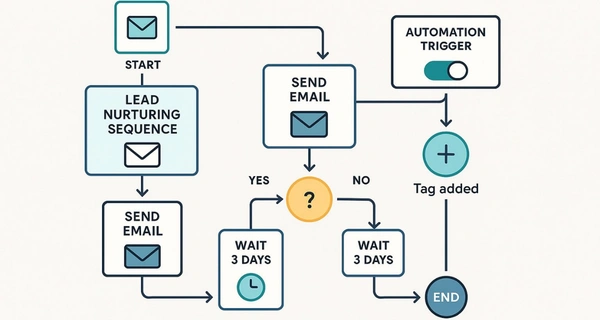
Google’s machine learning has become significantly more advanced.
Depending on your campaign objectives, consider strategies such as:
- Maximize Conversions
- Target CPA
- Target ROAS
- Maximize Conversion Value
These automated bidding strategies adjust bids in real time based on user behavior and conversion likelihood.
However, always monitor automated campaigns to ensure they align with your business goals.
Schedule Ads During Peak Hours
Your audience is not equally active throughout the day.
Analyze historical performance to identify:
- Best performing hours
- Best performing days
- Highest converting locations
Pause ads during low-performing periods and allocate more budget during peak conversion hours.
This simple adjustment can substantially improve ROI.
Continuously Test and Optimize
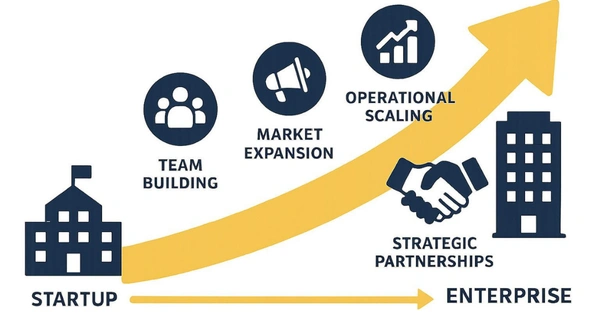
Google Ads optimization is an ongoing process.
Regularly perform A/B testing on:
- Headlines
- Descriptions
- Landing pages
- Images
- Calls-to-action
- Audience segments
- Bid strategies
Small improvements accumulated over time often produce significant gains in conversion rates.
Monitor the Right Performance Metrics
Successful advertisers rely on data instead of assumptions.
Key metrics include:
- Click-Through Rate (CTR)
- Conversion Rate
- Cost Per Click (CPC)
- Cost Per Acquisition (CPA)
- Return on Ad Spend (ROAS)
- Quality Score
- Impression Share
Review campaign performance weekly and make informed decisions based on actual data.

Common Budget Optimization Mistakes to Avoid
Many businesses unknowingly reduce campaign performance by making avoidable mistakes.
Some common errors include:
- Targeting overly broad keywords
- Ignoring negative keywords
- Sending traffic to poorly designed landing pages
- Running campaigns without conversion tracking
- Making frequent changes before collecting enough data
- Ignoring mobile optimization
- Failing to test new ad variations
Avoiding these mistakes can significantly improve campaign profitability.
Why Choose DigiHoper for Google Ads Management?
At DigiHoper Digital Marketing Agency, we believe successful advertising is driven by strategy, data, and continuous optimization—not just larger budgets.
Our Google Ads services include:
- Comprehensive keyword research
- Competitor analysis
- Campaign setup and optimization
- High-converting ad copy creation
- Landing page optimization
- Conversion tracking setup
- Remarketing campaigns
- Monthly performance reporting
- ROI-focused campaign management
Our objective is simple: help businesses generate more qualified leads while reducing advertising costs.
Final Thoughts
Optimizing your Google Ads budget is not about spending more—it’s about spending smarter. By focusing on high-intent keywords, creating compelling advertisements, improving landing pages, using negative keywords, leveraging Smart Bidding, and continuously analyzing campaign performance, businesses can significantly improve their conversions while keeping costs under control.
Google Ads is constantly evolving, and successful campaigns require ongoing testing, refinement, and data-driven decision-making. Businesses that consistently optimize their campaigns often achieve stronger ROI, lower acquisition costs, and sustainable long-term growth.
If you’re looking to generate more leads and maximize every advertising rupee, DigiHoper Digital Marketing Agency can help you build high-performing Google Ads campaigns tailored to your business goals.
Every click has value—make sure every click brings you closer to measurable business growth.
Contact DigiHoper at 8800386007
Visit: www.digihoper.com
Frequently Asked Questions (FAQs)
1. What is Google Ads budget optimization?
Google Ads budget optimization is the process of managing your ad spend efficiently to maximize conversions and ROI while reducing wasted spending.
2. How can I reduce my Google Ads cost per conversion?
Focus on high-intent keywords, optimize landing pages, use negative keywords, improve ad copy, and regularly monitor campaign performance.
3. What is a good bidding strategy for Google Ads?
Strategies like Maximize Conversions, Target CPA, and Target ROAS work well depending on your campaign goals and available conversion data.
4. Why are negative keywords important?
Negative keywords prevent your ads from showing for irrelevant searches, helping reduce wasted clicks and improve campaign efficiency.