


Meta Attribution Update 2026: What Every Business Should Know About Better Ad Measurement
The world of digital advertising is constantly evolving, and Meta has introduced one of its most significant reporting updates in recent years. As consumer behavior shifts from traditional search to social-first experiences, businesses need more accurate data to understand what actually drives sales.
For years, advertisers relied on attribution models that often mixed different types of user interactions into a single metric. This made it difficult to compare Meta Ads performance with platforms like Google Analytics, leaving marketers confused about which numbers to trust.
The latest Meta Attribution Update 2026 aims to solve this problem by providing clearer, more transparent reporting. At DigiHoper, we believe this change is a positive step toward smarter marketing decisions and better return on investment.
Why the Old Attribution Model Was Confusing
Previously, Meta counted multiple types of interactions when reporting click-through conversions. These included:
- Users who clicked the website link
- People who liked the ad
- Users who saved the post
- Friends who shared the ad through messages
While these interactions certainly showed interest in a brand, they were very different from someone actually visiting a website.
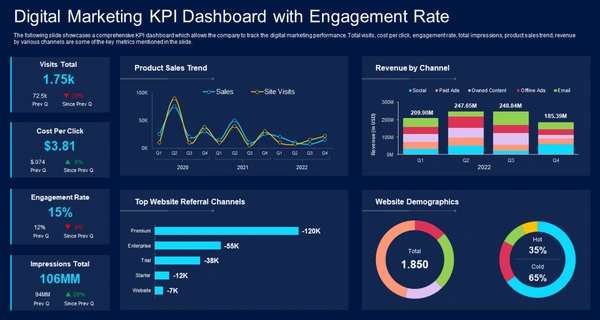
This often created a major mismatch between Meta Ads Manager and Google Analytics.
For example, Meta could report a high number of conversions, while your website analytics showed significantly fewer visitors. This made campaign performance difficult to evaluate accurately.
Businesses frequently questioned:
- Which platform is correct?
- Are my ads really generating sales?
- Should I increase or decrease my advertising budget?
These reporting differences created uncertainty for marketers trying to make informed decisions.
Meta Is Simplifying Click-Through Attribution
The biggest change is that Meta will now count only direct website link clicks under click-through attribution.
This means if someone actually clicks your website link and later converts, it will be counted in the click-through metric.
Actions like:
- Likes
- Comments
- Shares
- Saves
will no longer be included in that category.
This creates much better alignment between Meta Ads Manager and Google Analytics.
Businesses can now compare reports with greater confidence because both platforms are measuring similar user behavior.
Instead of inflated click numbers, advertisers will receive cleaner and more accurate data.
Social Engagement Still Matters
Removing social interactions from click attribution does not reduce their importance.
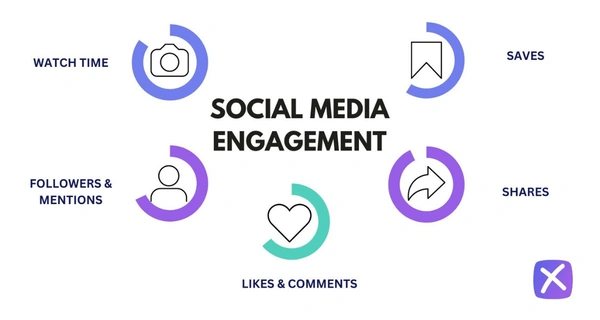
In fact, Meta has introduced a separate reporting category called Engage-Through Attribution.
This new metric measures valuable social actions such as:
- Shares
- Saves
- Likes
- Other engagement behaviors
These interactions may not generate an immediate website visit, but they often influence future purchases.
Think about your own social media habits.
You may save a product while you’re busy at work and return later to buy it. Or you may share an advertisement with a friend who eventually becomes a customer.
These actions have real marketing value, even if they don’t produce an instant conversion.
By separating engagement from direct website traffic, Meta allows advertisers to understand two different customer journeys:
- Campaigns that drive immediate sales
- Campaigns that build long-term brand awareness
Both are essential for sustainable business growth.

Faster Optimization for Video Ads and Reels
Video content continues to dominate platforms like Instagram and Facebook.
Meta has observed that many purchasing decisions happen within just a few seconds of someone viewing a Reel.
Because of this, Meta is reducing the engaged-view attribution window from 10 seconds to 5 seconds.
This change offers several important advantages.
Faster Learning
The advertising algorithm identifies your ideal audience much more quickly.
Better Budget Allocation
Poor-performing videos stop consuming advertising budget earlier.
Winning Creatives Surface Faster
High-performing Reels and videos are identified sooner, allowing marketers to scale successful campaigns more efficiently.
Reduced Wasted Spend
Businesses can shift investment toward content that genuinely captures attention instead of continuing to test underperforming creatives.
For brands investing heavily in short-form video, this update can significantly improve campaign performance.
Better Collaboration with Analytics Platforms
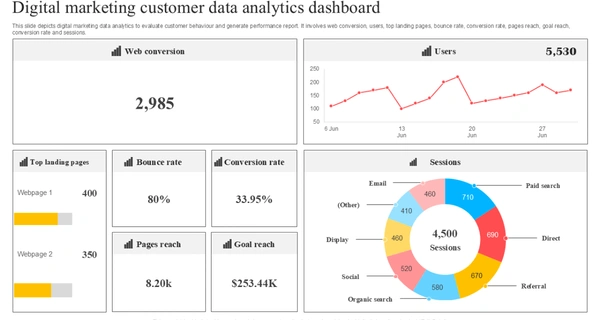
Another important development is Meta’s collaboration with third-party attribution platforms such as Northbeam and Triple Whale.
Historically, businesses often experienced different reporting across various marketing tools.
Meta is now working toward better integration so that clicks, views, and conversions can be measured more consistently across multiple platforms.
This creates:
- Greater reporting transparency
- Better cross-platform analysis
- Improved decision-making
- Increased confidence in campaign performance
As digital marketing becomes more data-driven, having multiple tools speak the same language becomes increasingly valuable.
What Businesses Should Do Now
If you’re currently running Meta Ads, don’t panic if you notice lower click-through numbers after these updates.
The numbers aren’t necessarily worse—they’re simply more accurate.
Instead of focusing only on total conversions, businesses should pay attention to:
- Website click-through conversions
- Engage-through attribution
- Video performance
- Landing page engagement
- Cost per acquisition
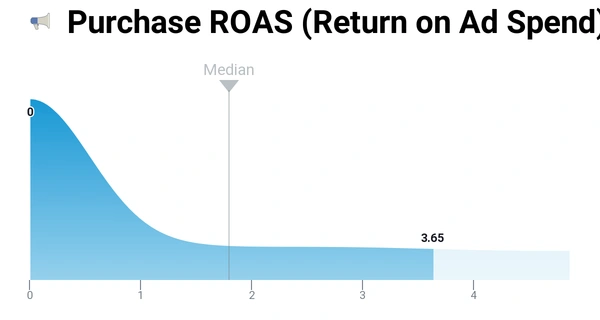
- Return on ad spend (ROAS)
These metrics provide a much clearer understanding of what is actually driving business growth.
Most importantly, advertisers should separate campaigns designed for brand awareness from campaigns focused on direct conversions.
Each serves a different purpose and should be measured differently.
How DigiHoper Helps Businesses Adapt
At DigiHoper, we continuously monitor platform updates so our clients stay ahead of industry changes.
Our digital marketing experts optimize campaigns based on real performance data—not inflated metrics.
Whether it’s Meta Ads, Google Ads, SEO, or social media marketing, we focus on measurable business results that help companies generate quality leads and improve return on investment.
As attribution models continue to evolve, having a data-driven strategy becomes more important than ever.
Final Thoughts
Meta’s Attribution Update 2026 represents a major improvement in digital advertising measurement.
By separating direct website clicks from social engagement, improving video optimization, and collaborating with analytics platforms, Meta is giving businesses a much clearer picture of customer behavior.
Accurate reporting leads to smarter decisions, better budget allocation, and stronger marketing performance.
As digital marketing continues to evolve, businesses that embrace these changes will be better positioned to scale efficiently and maximize their advertising investment.
At DigiHoper, we’re committed to helping businesses understand these updates and turn data into meaningful growth. The future of advertising isn’t about collecting more numbers—it’s about measuring the right ones.
Contact DigiHoper at 8800386007
Visit: www.digihoper.com
Frequently Asked Questions (FAQs)
1. What is the Meta Attribution Update 2026?
It is Meta’s latest update that provides more accurate ad conversion tracking and reporting.
2. What changed in click-through attribution?
Only direct website link clicks are now counted as click-through conversions.
3. What is engage-through attribution?
It measures social interactions like likes, shares, comments, and saves separately.
4. Why is this update important?
It improves reporting accuracy and aligns Meta Ads more closely with Google Analytics.
5. How does it affect Reels and video ads?
Meta now optimizes video campaigns faster with a shorter engaged-view window.